Booking a male model involves more than checking availability, agreeing on a fee, and showing up with a camera. There are creative decisions to make, usage rights to agree on, and a few practical details worth sorting out before anyone steps on set.
So I’m walking through my booking process, from the first enquiry to the final images. I’ll cover what information helps me quote accurately, how I prepare for different types of shoots, what actually happens on set, and what you should expect once everything wraps up.
The booking process at a glance
- Enquiry: you send the basics (date, location, purpose).
- Creative brief: we align on look, mood and deliverables.
- Scope and usage: we define where the images will run and for how long.
- Quote: a line-item price, with usage included in the conversation.
- Confirmation: deposit paid, agreement signed, date locked.
- Preparation: call sheet, wardrobe, grooming and logistics.
- Shoot day: the timeline, the etiquette, the reality.
- Afterwards: selects, delivery, usage log and rebooking.
Step 1: What Happens When You Send a Model Enquiry
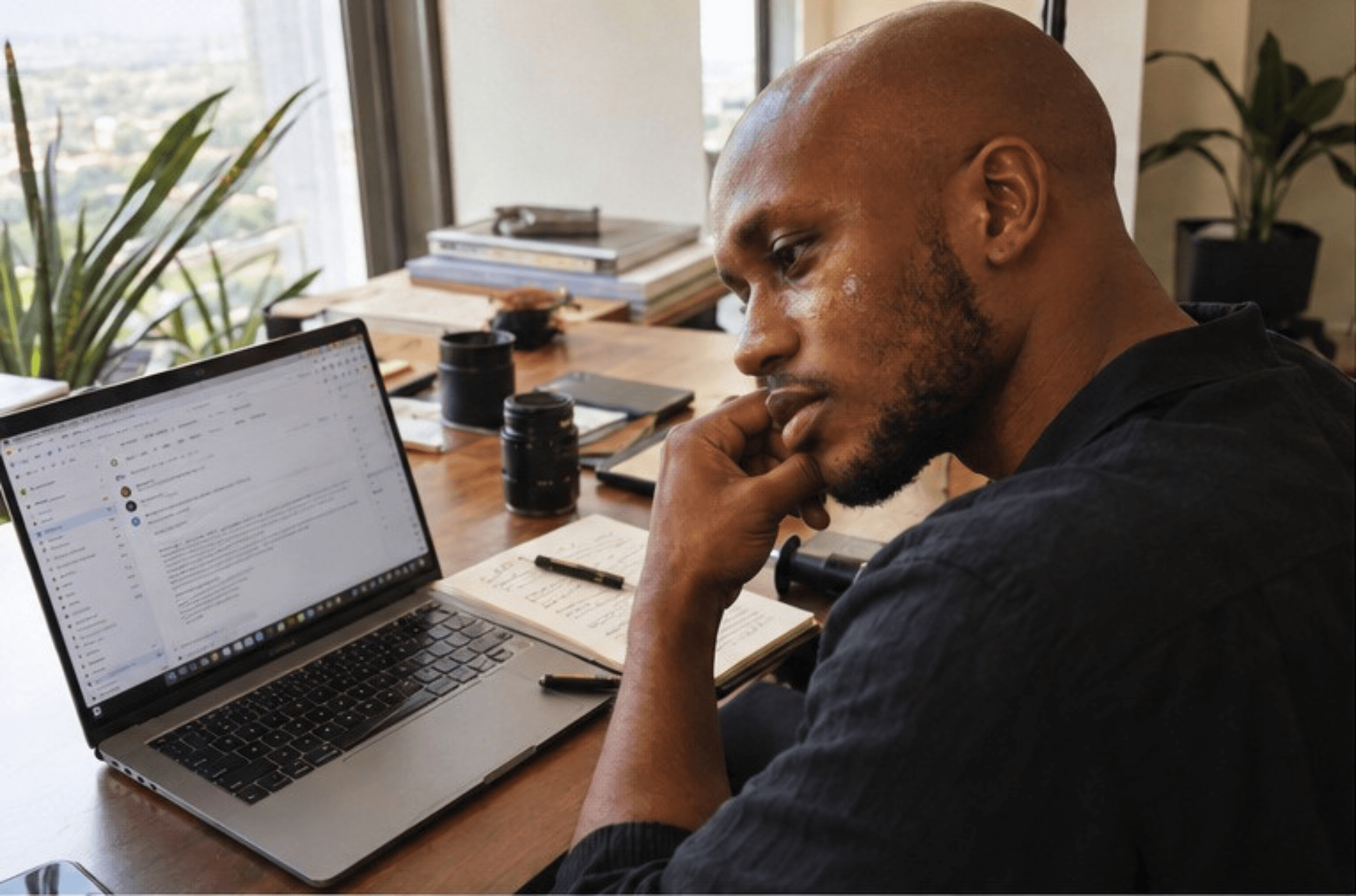
The first thing I do when an enquiry comes in is check the shoot details, then look at the brand and the people involved. Sometimes everything is already mapped out. Other times, I get a date, a location, and a question about my rate. Both are workable, but the more context I have upfront, the fewer questions we’ll need to go through before I can give you a proper quote.
What to include in your first enquiry:
- Shoot date: Your preferred date or a few alternatives if you’re flexible.
- Location: The city, studio or outdoor setting, and any travel requirements.
- Purpose: Whether the images are for a website, campaign, lookbook, social media or print.
- Shoot scope: The expected hours, number of looks and outfit changes.
- Creative team: Whether you’ve booked a photographer, stylist or grooming professional.
- Budget: Even a rough range helps me understand what’s realistic.
What I do after receiving your enquiry:
- Check my availability and, where appropriate, place a provisional hold on the date.
- Review your brand, previous campaigns and the photographer’s portfolio.
- Identify any missing details and send a few specific questions.
- Confirm the next steps and whether there’s enough information to prepare a quote.
Step 2: How We Agree on the Creative Direction Before Shooting
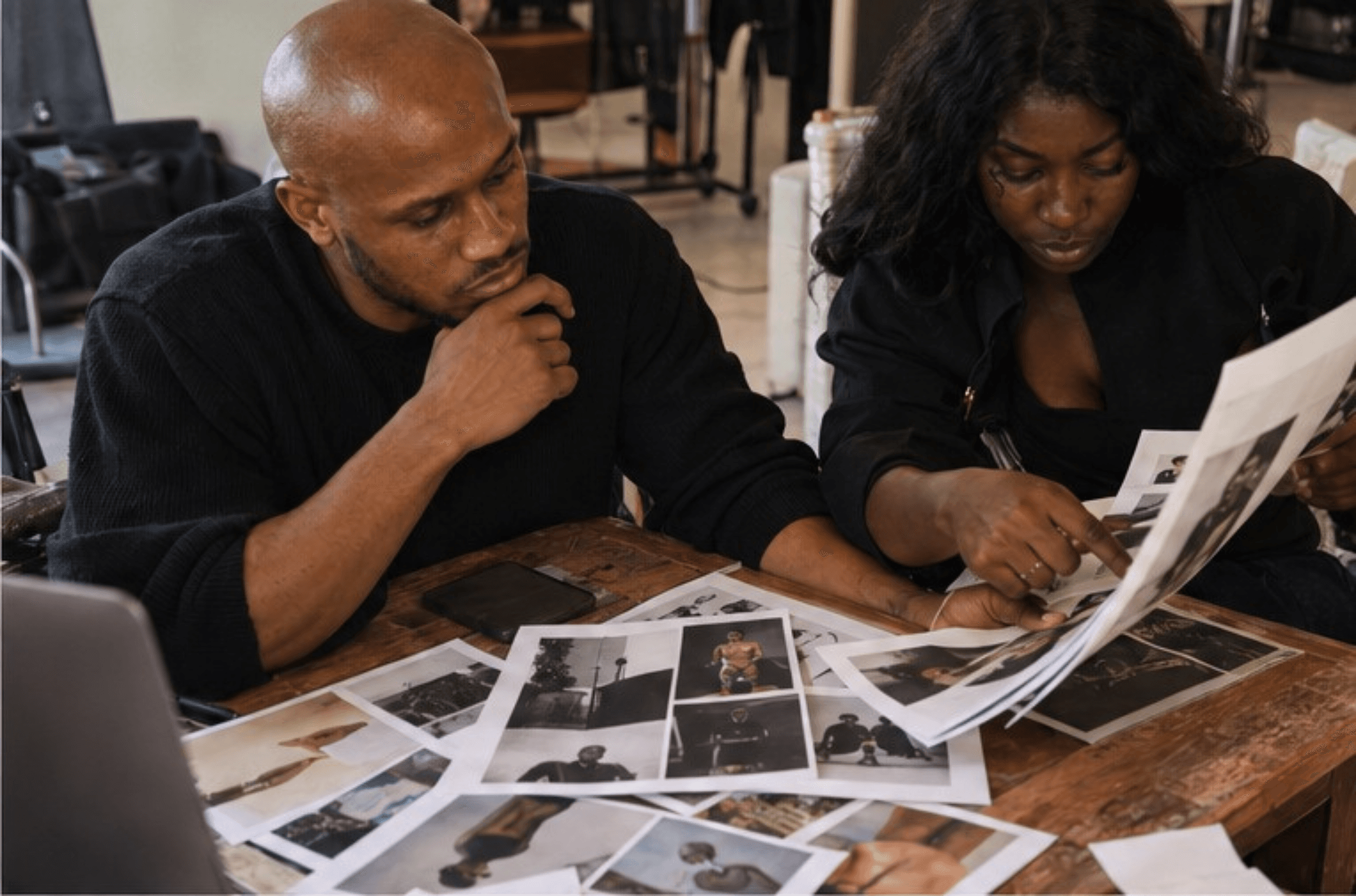
I’ve found that words like “premium,” “natural,” and “confident” can mean completely different things to different people. One person’s idea of a relaxed pose might be another person’s idea of looking bored. That’s why I prefer actual image references over long descriptions. Before a shoot, I want to see what you’re picturing, understand the expressions you’re after, and know which photographs matter most.
What to include in your creative brief:
- Visual references: Three to eight images showing the poses, lighting, framing or mood you’re after.
- Overall mood: A short description of how the images should feel, whether that’s confident, relaxed, or playful.
- Final deliverables: How many images you need and whether they’re intended for websites, social media,or print.
- Wardrobe: The outfits, colours and accessories involved, including who’s providing them.
- Creative boundaries: Anything you want to avoid, from certain poses and expressions to styling choices.
- Priority shots: The photographs you absolutely need before the shoot ends.
What I contribute at this stage:
- Review your references and explain which looks fit my features and modelling style.
- Suggest poses, facial expressions and movements suited to your brand and the project.
- Flag any wardrobe or grooming requirements that need sorting out beforehand.
- Help identify when the shot list is too ambitious for the time available.
The goal is to make sure we’re imagining roughly the same photographs before anyone arrives on set. It’s much easier to change a reference image during planning than to realise halfway through a shoot that we’ve been working towards two different ideas.
Step 3: How Model Usage Rights Affect Your Booking Cost
One thing I always clarify before quoting is where the images will actually be used. A skincare photo appearing on a brand’s Instagram is a different arrangement from that same photo running in paid advertising across several countries. The shoot might be identical, but the usage isn’t. That’s why I ask about platforms, duration, territories and exclusivity before putting a price together.
Here’s how different usage types affect a booking:
| Usage type | Where the images appear | What affects the price |
|---|---|---|
| Organic social | Instagram, LinkedIn, TikTok | Duration and scope |
| Paid digital ads | Meta, Google, YouTube | Campaign reach, duration, territory |
| Website and e-commerce | Homepages, product pages, emails | Duration and scope |
| Print and outdoor | Magazines, billboards, bus shelters | Territory, placement and duration |
| Broadcast and video | TV, cinema, commercial video | Reach, duration and exclusivity |
What I clarify before preparing your quote:
- Platforms: Where exactly will the photographs or videos appear?
- Duration: Do you need usage rights for three months, one year or longer?
- Territory: Will the campaign run locally, nationally or internationally?
- Exclusivity: Do you need me to avoid working with competing brands?
- Renewals: Would you like the option to extend usage later?
- Third-party usage: Will agencies, distributors or other partners use the images too?
The important distinction is that the shoot fee covers my time and work on set, while usage rights cover the agreed commercial use of my likeness. Both need to be clear before we confirm the booking.
Step 4: How I Quote and Confirm a Male Model Booking
Once we’ve agreed on the creative direction and usage rights, I can put together a proper quote. I’ve found that sending one figure without explaining what’s included usually creates more questions than it answers. So I break everything down, including the extra costs that are easy to overlook. If the quote works for both of us, we move straight to the agreement, deposit and booking confirmation.
Here’s what you’ll usually find in my quote:
- Shoot fee: My rate for the agreed number of hours, including what additional time costs.
- Usage fee: The cost of the image usage rights we established in Step 3.
- Travel expenses: Transport and accommodation if I’m travelling for the shoot.
- Additional work: Wardrobe fittings, extra shoot days or requirements outside the agreed scope.
- Total cost: The full amount, including any applicable additional charges.
- Payment schedule: The deposit required and when the remaining balance is due.
What happens if the quote doesn’t fit your budget?
Tell me. We can look at what’s flexible before making a decision:
- Shoot duration: Could we get the essential photographs in fewer hours?
- Number of looks: Are all the outfit changes necessary for this shoot?
- Usage period: Would a shorter initial licensing period work?
- Additional requirements: Could optional fittings or extra shoot days be removed?
Sometimes there’s room to adjust things, and sometimes there isn’t. I’d rather have that conversation early than agree to something that becomes difficult to deliver later.
How I confirm your booking:
- Quote approval: You review the breakdown and confirm you’re happy with the cost and scope.
- Booking agreement: I send an agreement covering the shoot date, hours, fees, cancellation terms and other agreed conditions.
- Deposit: You sign the agreement and pay the required deposit to secure the date.
- Final confirmation: I confirm receipt, lock the date in my calendar and stop accepting conflicting bookings.
- Production handover: We confirm the main contact and when I’ll receive the final shoot schedule.
Once the agreement is signed and the deposit is paid, your booking is confirmed.
Step 5: How I Prepare for a Male Model Photoshoot
Once the booking is confirmed, I start getting everything ready for shoot day. I’ve learned that small details like wardrobe sizes, call times and grooming expectations are much easier to sort out beforehand than when everyone is already on set. I usually spend the final few days reviewing the shot list, confirming logistics and making sure I know exactly what I’m expected to bring.
What I need from you before the shoot:
- Call sheet: The confirmed address, arrival time, parking information and on-site contact.
- Final shot list: The photographs we’re prioritising and any changes to the creative brief.
- Wardrobe details: What you’re providing, what I should bring, and the correct sizes and colours.
- Grooming requirements: Whether there’s a grooming professional on set or I should arrive camera-ready.
- Shoot schedule: The order of setups, outfit changes, breaks and expected finishing time.
- Travel arrangements: Any transport or accommodation details that need confirming.
How I prepare in the final 48 hours:
- Travel: Check the route, confirm my arrival time and allow extra time for delays.
- Wardrobe: Check fittings and pack any requested outfits, shoes or accessories.
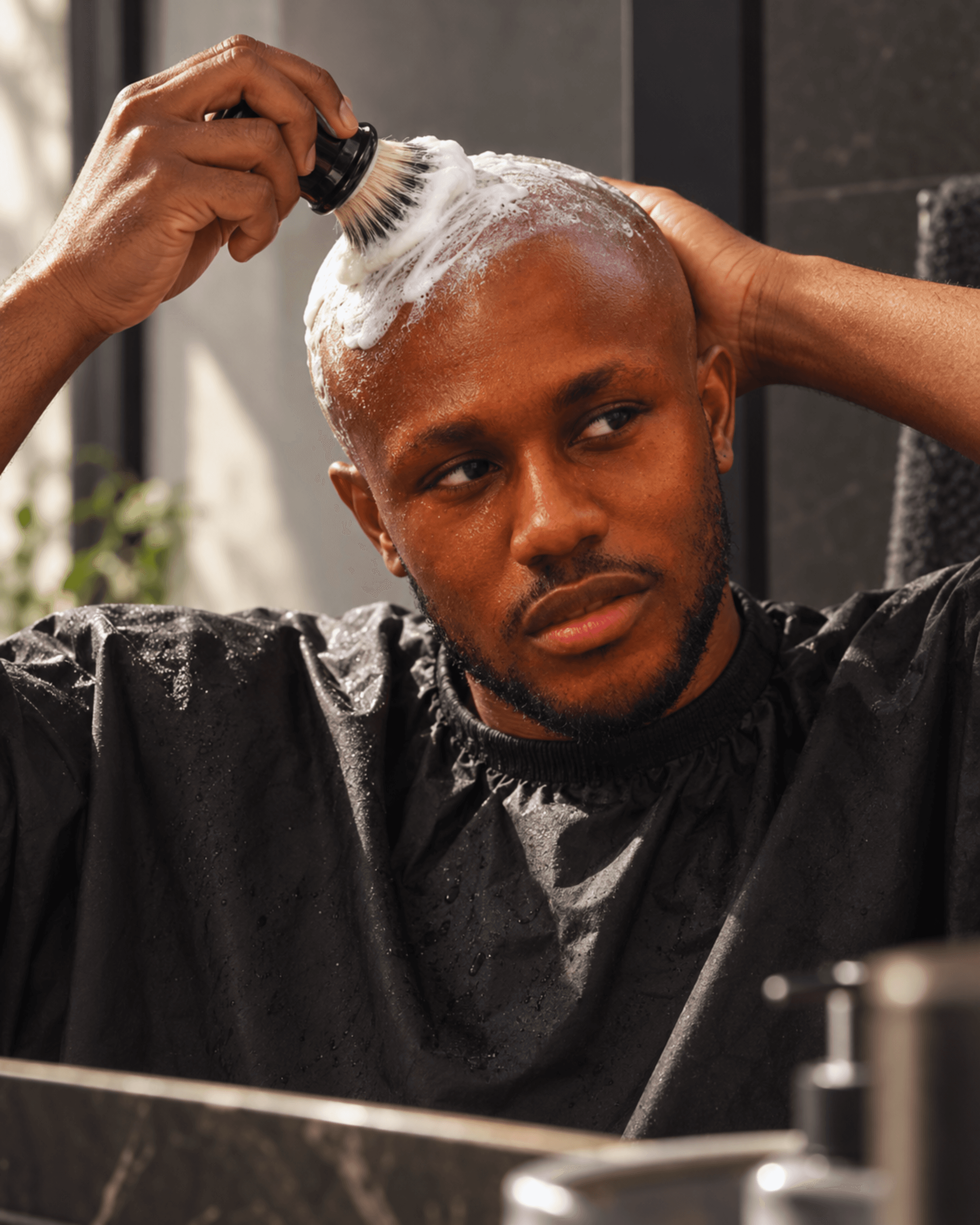
- Grooming: Keep my skincare routine consistent and follow any agreed hair or shaving requirements.
- Rest: Prioritise sleep and hydration so I’m ready for a full day on set.
- Essentials: Pack my grooming kit, neutral underlayers, spare clothing and phone charger.
I try to have everything sorted the night before. Nobody wants to spend the first hour of a paid shoot looking for a missing shirt or trying to figure out who has the studio address.
Step 6: What Happens on Set During a Model Photoshoot
The first thing I do when I arrive on set is meet the team, check the schedule and find out which looks we’re shooting first. I’ve learned that even with a detailed shot list, things rarely happen exactly as planned.
Lighting takes longer than expected, wardrobe changes need adjusting, and sometimes a pose that looked great on the mood board doesn’t quite work on camera. That’s normal. What matters is keeping everyone aligned and knowing which shots need to be prioritised.
What a typical ten-hour shoot day looks like:
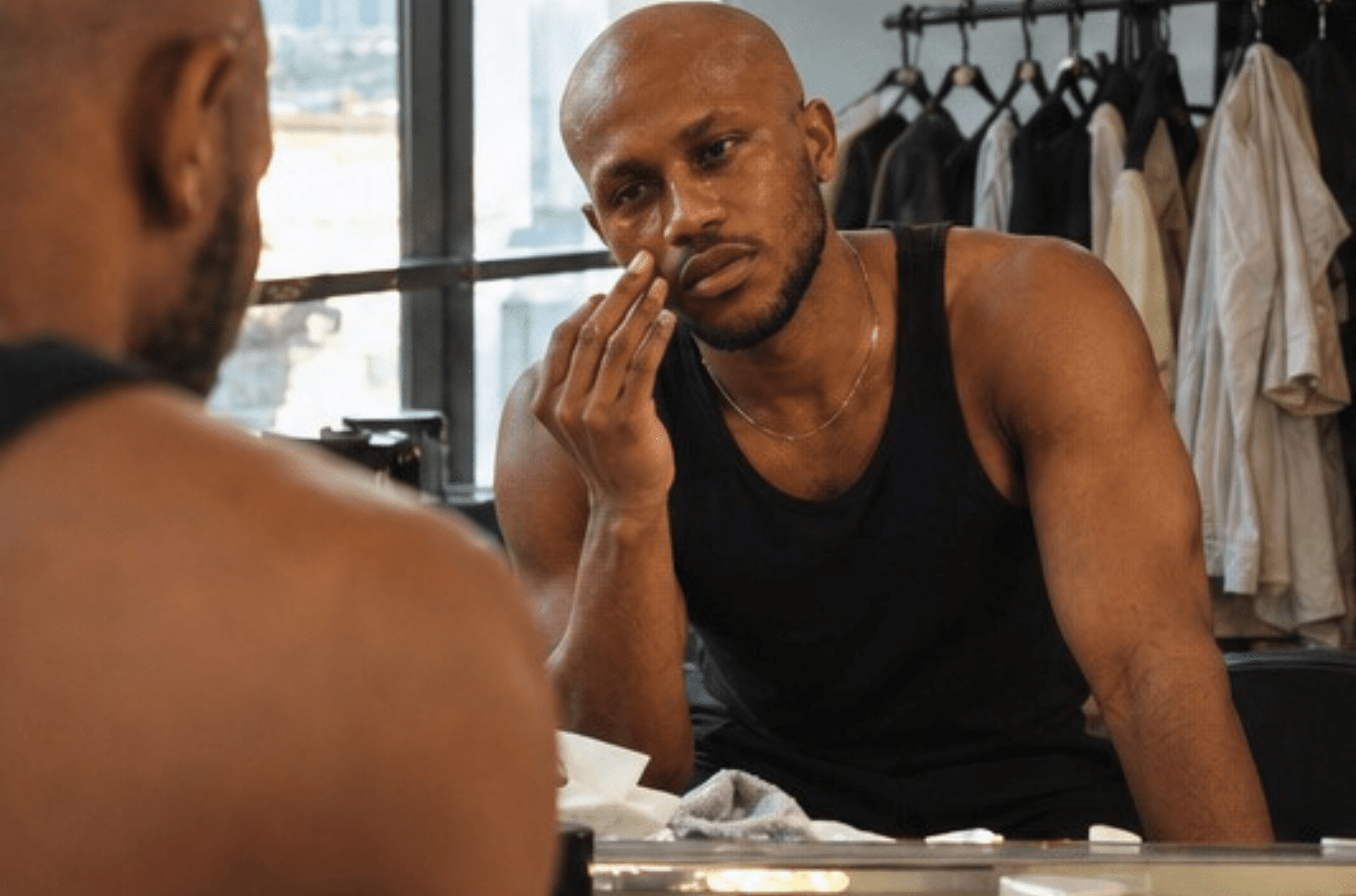
- 7:30 AM (Arrival): Meet the team, check the set and confirm the day’s schedule.
- 8:00 AM (Grooming and wardrobe): Get camera-ready and change into the first look.
- 9:00 AM (Test shots): Check lighting, framing and expressions with the photographer.
- 9:30 AM (First look): Start shooting, review frames and make adjustments.
- 12:00 PM (Lunch): Take a proper break before the afternoon setups.
- 1:00 PM (Additional looks): Work through the remaining outfits, poses and locations.
- 3:30 PM (Priority shots): Check whether the most important images have been captured.
- 5:00 PM (Wrap): Confirm completed shots, return wardrobe and discuss next steps.
What helps me deliver better photographs on set:
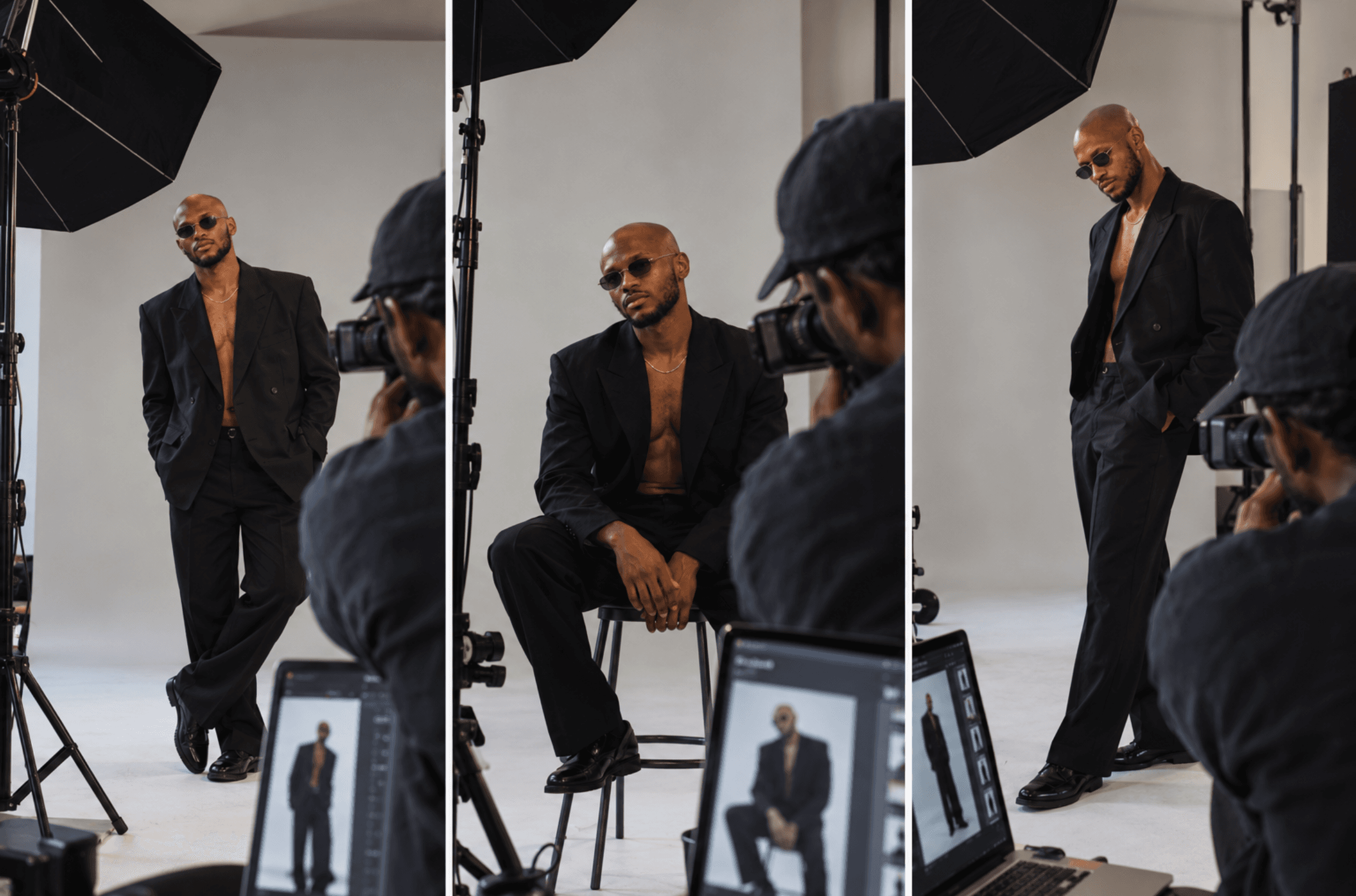
- Clear direction: Show me the expression or pose you’re after instead of asking for something vague like “more premium.”
- One main voice: Let the photographer or designated creative lead guide me rather than having several people giving conflicting instructions.
- Early feedback: Show me a few test frames so I can adjust my posture, expressions and movements.
- Realistic scheduling: Allow enough time for outfit changes, lighting adjustments and breaks.
- Room to experiment: Once we’ve captured the required shots, give us some freedom to try different angles or expressions.
Step 7: What Happens After a Male Model Photoshoot
Once the shoot wraps, my part on set is finished, but there are usually a few things left to sort out. The photographer still needs to go through the images, the client has to choose their favourites, and any final edits need to be completed. I also like checking that everything we agreed on, from the remaining payment to image usage and portfolio permissions, is accounted for before we call the project complete.
What typically happens after the shoot:
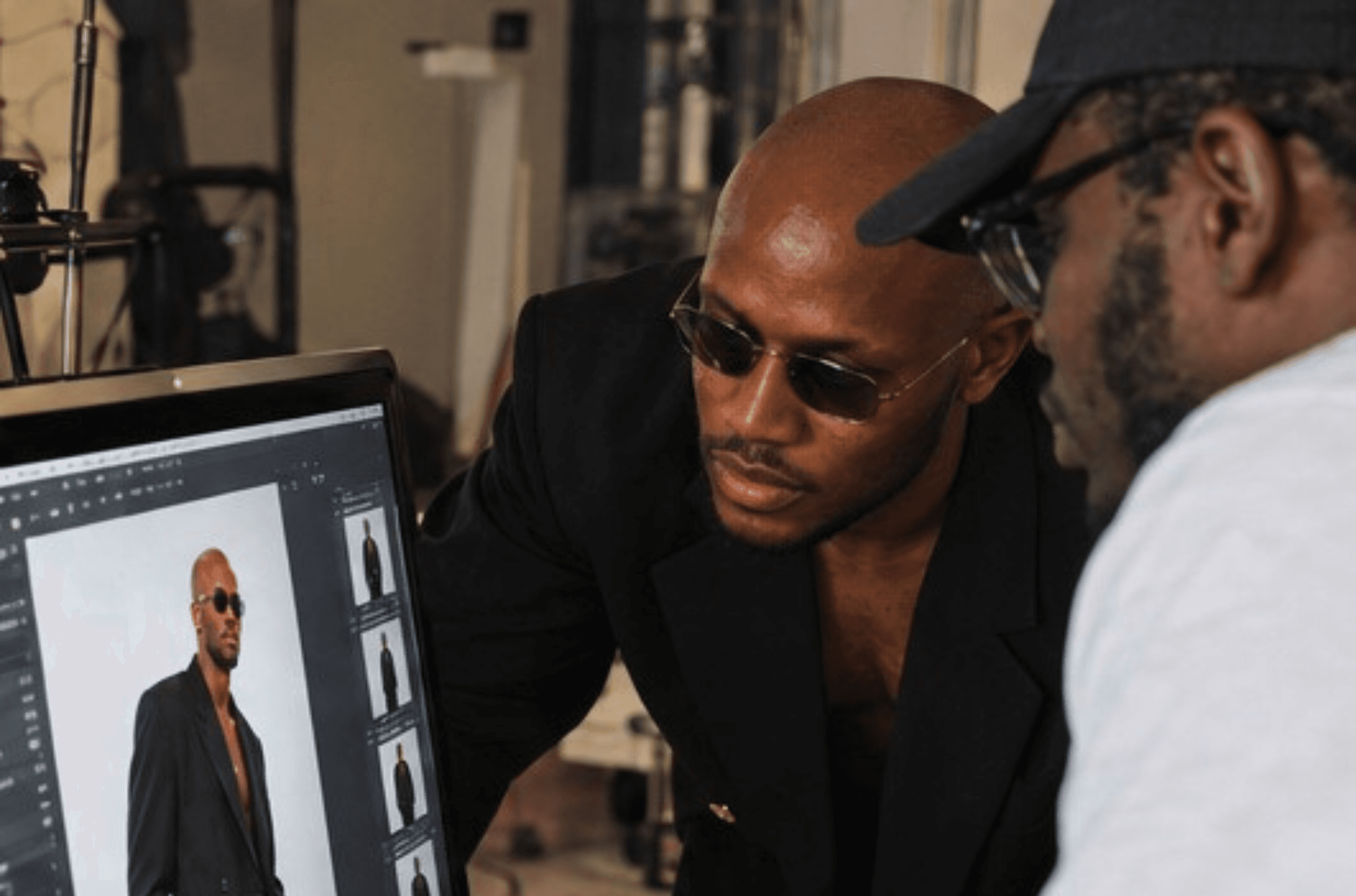
- Image selection: The photographer shares a contact sheet or gallery for you to choose the final photographs.
- Retouching: The selected images go through the agreed editing process, including any permitted revisions.
- Final delivery: The photographer or production team delivers the approved images in the required formats.
- Outstanding payment: Any remaining balance is settled according to our booking agreement.
- Usage tracking: I keep a record of the agreed campaign platforms, territories and licensing period.
- Usage renewal: If you need the images beyond the agreed period, we discuss extending the licence.
- Feedback and rebooking: I check how the shoot went and whether there’s anything worth improving for next time.
Frequently asked questions
How far in advance should I book a male model?
I recommend getting in touch two to three weeks before your shoot. That gives us enough time to agree on the creative direction, sort out usage rights and prepare properly. I can sometimes accommodate last-minute bookings too, especially when the brief is clear and the production team is already organised.
How much does it cost to hire a male model?
My day rates start from £600, but the final cost depends on what you’re shooting. A straightforward fashion editorial and a commercial skincare campaign running across several countries aren’t priced the same. I consider the shoot duration, location, creative requirements and image usage before putting together a proper quote.
Do I need to pay a deposit?
Yes. Once we agree on the quote, I send over a booking agreement and the deposit details. Your date is officially secured once both are sorted. I also explain when the remaining balance is due, so there are no awkward payment conversations halfway through the shoot or afterwards.
Can I use the images anywhere I like?
Not automatically. We agree on where the images can appear, how long you can use them and which countries the licence covers. If you originally booked organic social usage and later want to run billboards or paid campaigns, just reach out. We can discuss extending the rights before you launch.
What if my budget is small?
Depending on the project, we might be able to adjust the hours, reduce the number of looks or narrow the usage. I cannot promise every budget will work, but I can tell you what is realistic.
Follow on Instagram.
Behind the scenes / New shoots / Travel / Life
Let’s connect